Radon is a naturally occurring radioactive gas that can pose serious health risks when it accumulates in homes and buildings. Known for its invisibility and odorlessness, radon is a silent threat that makes comprehensive testing and preventative measures crucial.
This comprehensive guide is designed specifically for Ohio homeowners, offering an in-depth look at radon gas, its sources, associated health risks, testing techniques, and mitigation solutions. With an authoritative narrative, we delve into each aspect of radon exposure to help you understand the risks and how to protect your family.
Understanding Radon: Its Nature and Origins
Radon is produced naturally as part of the radioactive decay process of uranium, which is commonly found in varying concentrations within the Earth’s crust. Over time, radon gas can seep up through soil and cracks in the foundation of buildings, accumulating in enclosed spaces.
Key Characteristics of Radon
Radon possesses several key characteristics that add to its danger:
- Radioactivity: As a radioactive gas, radon emits ionizing radiation. This radiation can damage the cells in lung tissues, increasing the risk of lung cancer.
- Invisibility: Radon is colorless, odorless, and tasteless, making its presence undetectable without specialized testing.
- Persistence: Radon levels in enclosed spaces can vary based on environmental conditions and building structures, but often remain elevated for prolonged periods in homes with poor ventilation.
This fundamental understanding of radon is crucial since its physical properties make it a challenging environmental hazard to deal with. Its presence in the indoor environment is not immediately obvious, meaning that regular testing becomes a vital part of homeowner safety.
The Health Risks of Radon Exposure
Long-term exposure to radon gas is the second leading cause of lung cancer, following smoking. The risk is particularly high for individuals who already smoke or have smoked in the past. Radon decays into radioactive particles that, when inhaled, can become trapped in the lungs and lead to cellular damage over time.
How Radon Impacts Health
Several studies have linked radon exposure directly to an increased risk of lung cancer. When radon gas decays, it emits alpha particles. These small, high-energy particles can penetrate lung tissue and damage the DNA of cells. Evidence from epidemiological studies supports the conclusion that even at low levels, radon exposure can incrementally increase the risk of developing lung cancer.
For those who have lived in their homes for years, especially in areas where radon levels are known to be higher, taking preventive measures and adopting regular testing schedules can make a significant difference in reducing health risks.
Risk Factors for Ohio Homeowners
Ohio is known for its diverse geological formations, many of which contain naturally occurring uranium. This increases the likelihood of higher radon concentrations in some areas of the state. The following factors can increase radon risk in Ohio homes:
- Soil Composition: Areas with higher concentrations of uranium in the soil expose residents to more radon seepage into basements and ground floors.
- Building Construction: Older homes or structures with cracks in the foundation, poorly sealed utility penetrations, or inadequate ventilation can lead to elevated radon levels.
- Water Supply: In some instances, radon can be present in groundwater, providing an extra route of exposure if the water is used domestically.
Given these risk factors, it becomes essential for Ohio homeowners to be proactive. Regular radon testing and an investment in mitigation strategies are critical to safeguarding the health of everyone in the home.
Identifying and Testing for Radon in Your Home
The first step in combating the invisible threat of radon is regular testing. Homeowners cannot rely on their senses to detect radon, which is why radon test kits are widely recommended and readily available. Testing not only provides peace of mind but also ensures that communities can identify high-risk areas and act promptly.
Standard Testing Methods
There are two primary methods used for testing radon:
- Short-Term Testing: Typically lasting from 2 to 90 days, these tests provide initial measurements of radon levels. They are convenient and cost-effective, making them a popular choice for preliminary assessments.
- Long-Term Testing: Conducted over more than 90 days, these tests measure average radon concentration and are generally considered more accurate in fluctuating indoor environments.
Both testing methods have their place in a comprehensive radon management strategy. In Ohio, where seasonal changes and local geology can influence radon levels, combining both testing methods may offer the most complete picture of radon presence in your home.
Step-by-Step Testing Process
Testing your home for radon involves the following steps:
- Purchase or Rent a Test Kit: Ensure the kit is certified by the relevant authorities and designed for indoor use.
- Place the Kit: Follow the manufacturer’s instructions to place the kit in the lowest livable area, away from drafts, high humidity, or direct sunlight.
- Collect the Data: Depending on the test type, leave the kit in place for the designated monitoring period.
- Send for Analysis: Return the kit to the lab as instructed or use a digital monitor to view readings immediately.
- Interpret the Results: Compare the radon levels with the recommended guidelines. In Ohio, levels above the EPA-suggested action level indicate that mitigation measures should be taken.
For those uncertain about handling the testing process themselves, professional radon testing services are available. These professionals can provide accurate testing, interpretation, and recommendations based on their findings.
Mitigation Strategies for Reducing Radon Levels
If tests indicate high radon levels, it becomes imperative to take action. Fortunately, various mitigation strategies are available to lower the concentration of radon in the home, thereby reducing health risks.
Effective Radon Mitigation Techniques
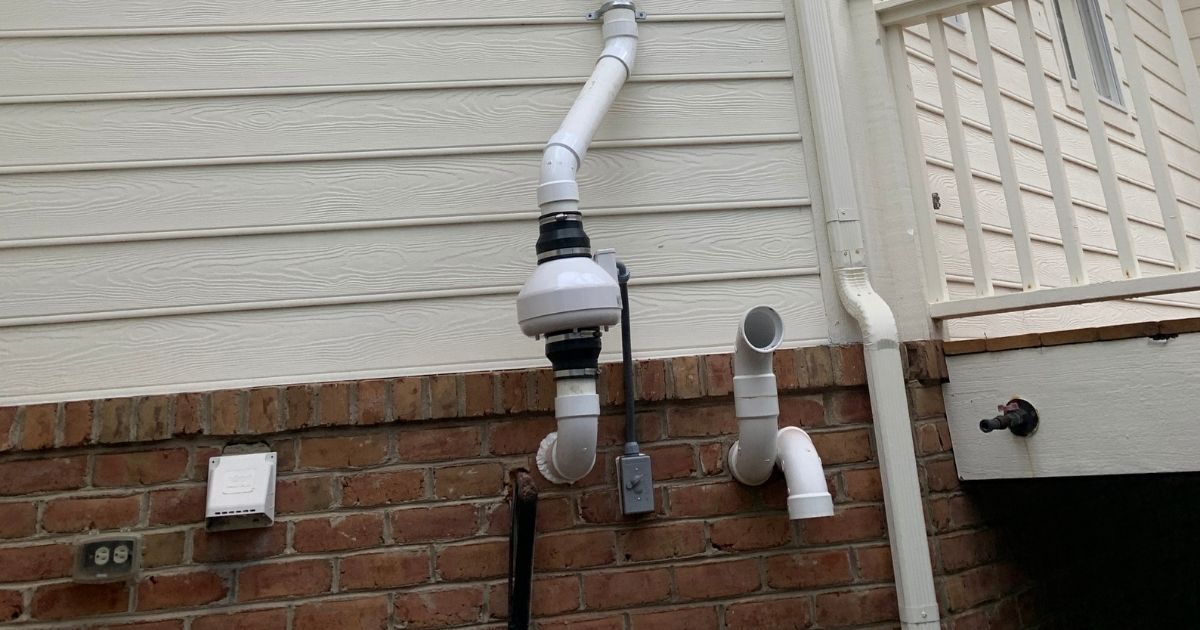
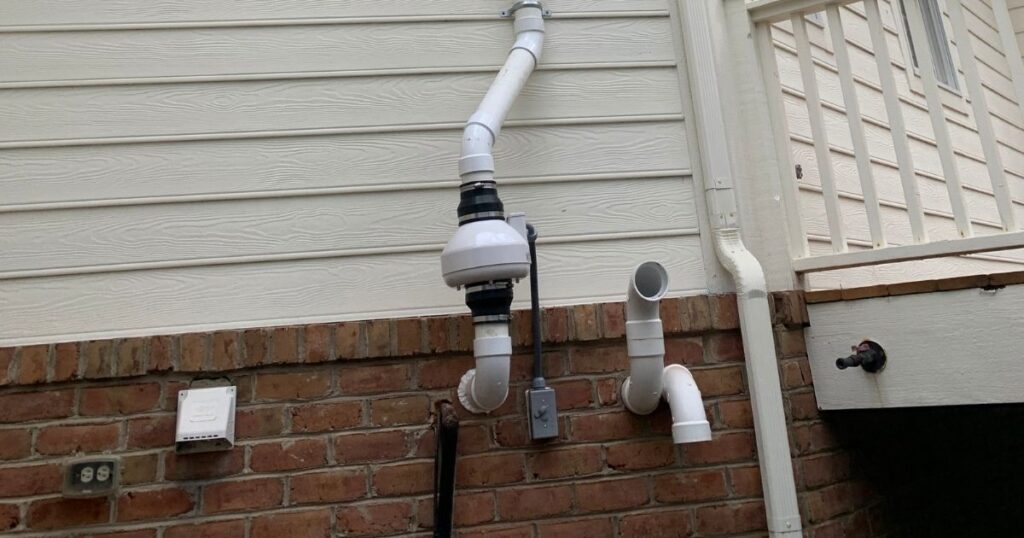
The most widely used and effective radon mitigation method is the installation of an active soil depressurization system. This method involves:
- Installing a vent pipe system that runs from beneath the foundation to the outdoors.
- An inline fan that actively draws radon from the soil and discharges it safely into the air above the home.
- Sealing cracks and other openings in the foundation to limit radon entry.
Other mitigation options include:
- Improving Ventilation: Increasing natural or mechanical ventilation in the home can help disperse radon gas, although this method is typically less effective as a sole solution.
- Sub-slab Depressurization: In homes with concrete slabs or basements, creating a low-pressure zone beneath the slab can effectively reduce radon levels.
Working with certified radon mitigation professionals is recommended to determine the best strategy for your specific situation. Ohio Radon Control has a team of experts ready to assess your home and recommend a robust solution tailored to your needs.
Cost Considerations and Long-Term Benefits
While the cost of radon mitigation can vary depending on the complexity of the system required, investing in mitigation provides long-term health benefits and peace of mind. The upfront cost is far outweighed by the benefits of reducing your family’s exposure to a known carcinogen. Some benefits include:
- Increased overall indoor air quality.
- Enhanced property value by ensuring your home adheres to health and safety standards.
- Reduction in long-term medical and health-related costs associated with lung cancer and other radon-induced conditions.
For an in-depth discussion on cost factors and financing options, homeowners are encouraged to contact our specialists for a personal consultation.
Ohio Radon Control: Your Partner in Radon Safety
Ohio Radon Control is deeply committed to protecting families from the harmful effects of radon exposure. With extensive experience in radon detection and mitigation, our team of certified professionals provides expert services tailored to the unique conditions of Ohio homes.
Our Commitment to Ohio Homeowners
We understand the concerns of homeowners facing the risk of radon exposure. Our approach is grounded in:
- Expertise: Our technicians are certified and trained to identify and mitigate radon with precision and care.
- Reliability: We use state-of-the-art testing equipment and adhere to strict industry standards to ensure accurate results.
- Personalized Service: Every home is unique. We provide customized solutions that address the specific needs and challenges of your living environment.
For Ohio residents, the dangers of radon should never be underestimated. Our mission is to ensure that every home is safe and that families can breathe easily without concerns over long-term exposure to this invisible threat.
Frequently Asked Questions (FAQ) About Radon
What is the Safest Level of Radon in a Home?
The Environmental Protection Agency (EPA) recommends action for homes with radon levels at or above 4 picocuries per liter (pCi/L). However, even levels below this threshold can pose a risk, especially for individuals who smoke or have previous lung health issues.
How Often Should I Test My Home for Radon?
It is advisable to test your home:
- After purchasing a new home
- After any major renovations that might affect the foundation or ventilation
- At least every two years in areas known for fluctuating radon levels
This periodic testing ensures that any changes in radon concentration are promptly addressed.
Can Radon Mitigation Systems Be Integrated with Other Home Safety Measures?
Yes, radon mitigation systems can often complement existing home air filtration and ventilation systems. Our experts can provide guidance on combining strategies to improve overall indoor air quality and ensure that radon levels are minimized effectively.
Does Radon Only Affect Homes with Basements?
While homes with basements are more susceptible to radon accumulation, structural factors in any home can allow radon entry. Even homes built above ground may experience radon infiltration, making testing and proper mitigation measures universally important.
Steps to Take If You’re Concerned About Radon
Ensuring the safety of your living environment is a responsible endeavor that begins with awareness and action. If you suspect elevated radon levels in your home or live in a high-risk area, the following steps are recommended:
Immediate Actions for Concerned Homeowners
Follow these steps to mitigate any potential radon risks:
- Order a Radon Test Kit: Begin by obtaining a reliable test kit or contacting a certified professional to assess your home.
- Document the Results: Keep a record of the radon levels; this data will be invaluable for deciding on the next steps, including potential mitigation strategies.
- Consult with Experts: Reach out to professionals, such as those at Ohio Radon Control, who can provide expert advice on remediation methods tailored for your specific situation.
- Review and Repair Your Home’s Structure: Seal cracks and openings in your foundation that could be contributing to higher radon levels.
Taking prompt action not only protects current occupants but also adds value to your property and increases its marketability by ensuring it meets safety standards.
Final Thoughts
Radon is a significant health risk that deserves every homeowner’s attention. Understanding its properties, health impacts, and the methods available for testing and mitigation is essential for making informed decisions about your home’s safety.
Ohio Radon Control is dedicated to providing comprehensive radon testing and mitigation services that help you achieve peace of mind and protect your family’s health. Don’t wait until radon exposure becomes a silent threat in your home.
Contact us today to arrange a professional radon test if you have not already done so. Your health and the well-being of your loved ones are too important to leave to chance. With expert support and cutting-edge technology, we are well-equipped to secure your home against radon.
Whether you are in the process of buying a new home or have lived in your current residence for years, taking proactive steps toward radon testing and mitigation is an investment in the long-term safety of your family. We invite you to explore our services, read customer testimonials, and join the many satisfied homeowners across Ohio who have safeguarded their lives with our help.
For additional information or to schedule a consultation, please visit our website or call our dedicated support team. Remember: protecting your home from radon today can secure a healthier tomorrow.