Radon is one of the most overlooked health risks in Central Ohio. It has no smell, no color, and no visible warning signs. A test is the only way to know your risk, but every result needs context. That context starts with the EPA radon action level.
This guide explains what the action level means, why Columbus homes face elevated risk, and what steps come next.
What Is the EPA Radon Action Level?
The EPA radon action level is 4.0 picocuries per liter, written as 4.0 pCi/L. This is the point where the EPA recommends fixing your home. The agency set this threshold after years of exposure research and health risk analysis.
Radon is measured in picocuries per liter of air. A picocurie represents a tiny unit of radioactive decay. At 4.0 pCi/L, a home releases thousands of radioactive particles into the air each day.
Why 4.0 pCi/L Specifically?
The EPA chose 4.0 pCi/L as a practical balance between health risk and mitigation feasibility. Homes at or above this level qualify for a recommended fix. The agency also flags 2.0 to 4.0 pCi/L as worth addressing.
The action level is not a strict safety cutoff. Homes below 4.0 pCi/L still carry some measurable risk. No radon level is considered completely risk-free by federal health standards.
Why Columbus Homes Face Elevated Radon Risk
Franklin County and much of Central Ohio fall within EPA Zone 1. Zone 1 counties carry the highest average indoor radon potential in the country. That classification alone makes testing a priority for local homeowners.
Local geology plays a direct role. Central Ohio sits on glacial till and dolomitic limestone bedrock. As uranium in that bedrock decays, it releases radon gas into the surrounding soil. That gas rises and enters homes through foundation cracks, sump pits, and gaps around pipes.
Basements and crawlspaces add extra exposure risk. Radon collects in low, enclosed spaces before spreading through the rest of a house. Learn more about radon levels specific to Columbus and how they compare across Central Ohio.
What Your Test Result Actually Means
A radon test returns a number in pCi/L. Here’s a simple way to read that number against the EPA action level:
- Below 2.0 pCi/L: Lower risk, but not zero risk
- 2.0 to 3.9 pCi/L: Elevated, mitigation worth considering
- 4.0 pCi/L or higher: Action level reached, mitigation recommended
If Your First Test Comes Back High
One test result is not the final word. The EPA recommends confirmation testing before installing any mitigation system. A short-term follow-up test checks the accuracy of that first reading.
If the average of both tests reaches 4.0 pCi/L, mitigation becomes the recommended step. This process protects homeowners from acting on a single inaccurate reading. Weather, ventilation, and even the season can shift one-time results.
Next Steps After Confirmation
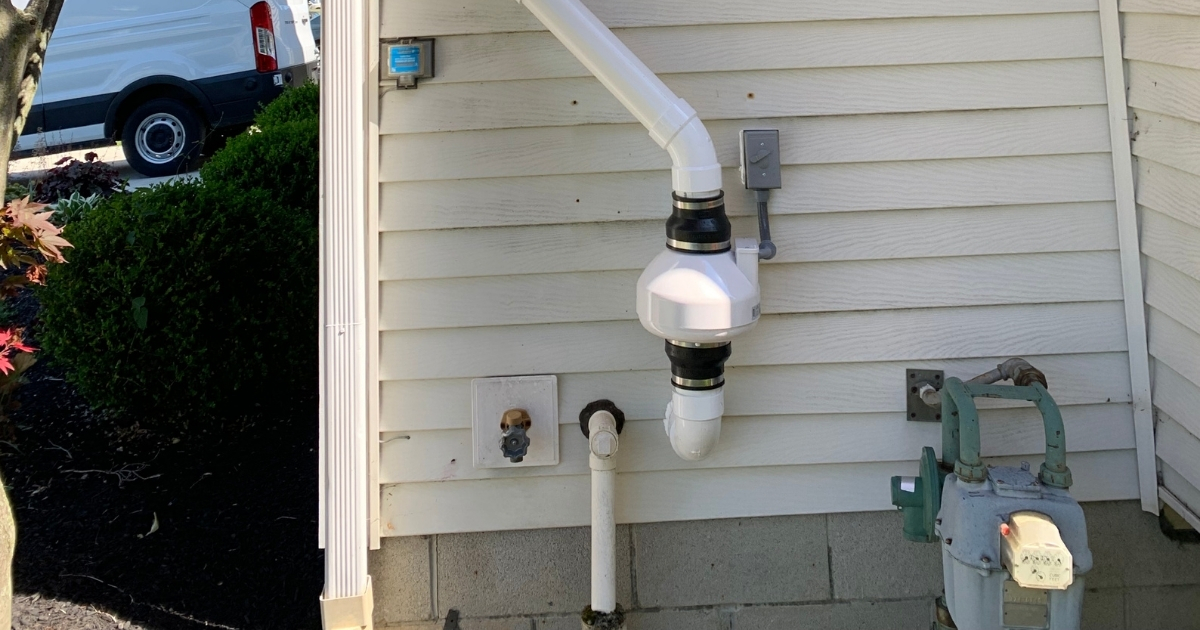
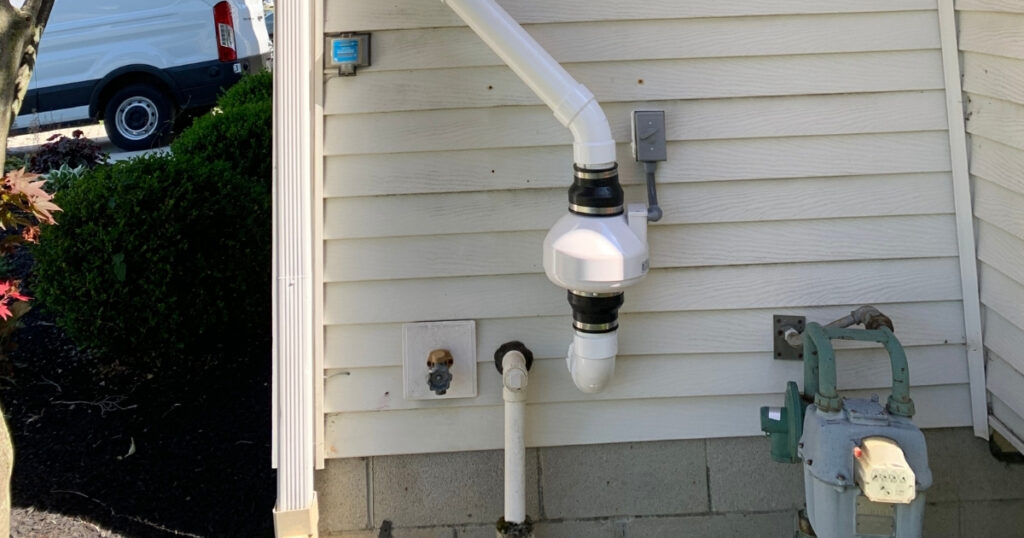
Once elevated radon is confirmed, a licensed contractor can design a radon mitigation system for your home. Most systems use a vent pipe and fan to pull radon from beneath the foundation. The gas then releases safely above the roofline, away from windows and living spaces.
A properly installed system typically reduces radon by 80 to 99 percent. Many Columbus homes drop well below 2.0 pCi/L after installation.
Is a Reading Below 4.0 pCi/L Actually Safe?
Not necessarily. The World Health Organization recommends a stricter reference level of 2.7 pCi/L where achievable. Even the EPA acknowledges that no radon exposure is entirely risk-free.
Homes testing between 2.0 and 4.0 pCi/L still have a real, measurable health risk. Reducing radon exposure at this range is a reasonable, protective choice for many households.
How Columbus Homeowners Can Check Their Risk
Testing remains the only reliable way to know your home’s actual radon level. Ohio’s radon data dashboard tracks real, current readings by zip code and county across the state.
Ohio Radon Control provides professional radon testing throughout Columbus and Central Ohio. Our licensed team uses certified equipment and follows EPA testing protocols. You’ll receive clear, honest results, with no pressure toward services you don’t need.
If your result lands above the action level, mitigation is a straightforward next step. We design and install radon mitigation systems for homes across Columbus and the surrounding Central Ohio communities.
Get Your Radon Levels Checked Today
Radon cannot be seen, smelled, or tasted. Testing is the only way to know if your Columbus home sits above the EPA action level. Ohio Radon Control offers fast, accurate radon testing backed by local licensing and a workmanship warranty.
Contact us today for a free radon quote and take the first step toward a safer home.