You cannot see, smell, or taste radon. It can fill your home for years while you feel perfectly fine. The damage shows up later, often as lung cancer.
Radon is a radioactive gas that seeps up from the soil beneath your foundation. Understanding the health risks of radon exposure helps you decide when to act. This guide covers how radon harms your lungs, what raises your risk, and what Central Ohio homeowners can do about it.
How Radon Exposure Harms Your Body
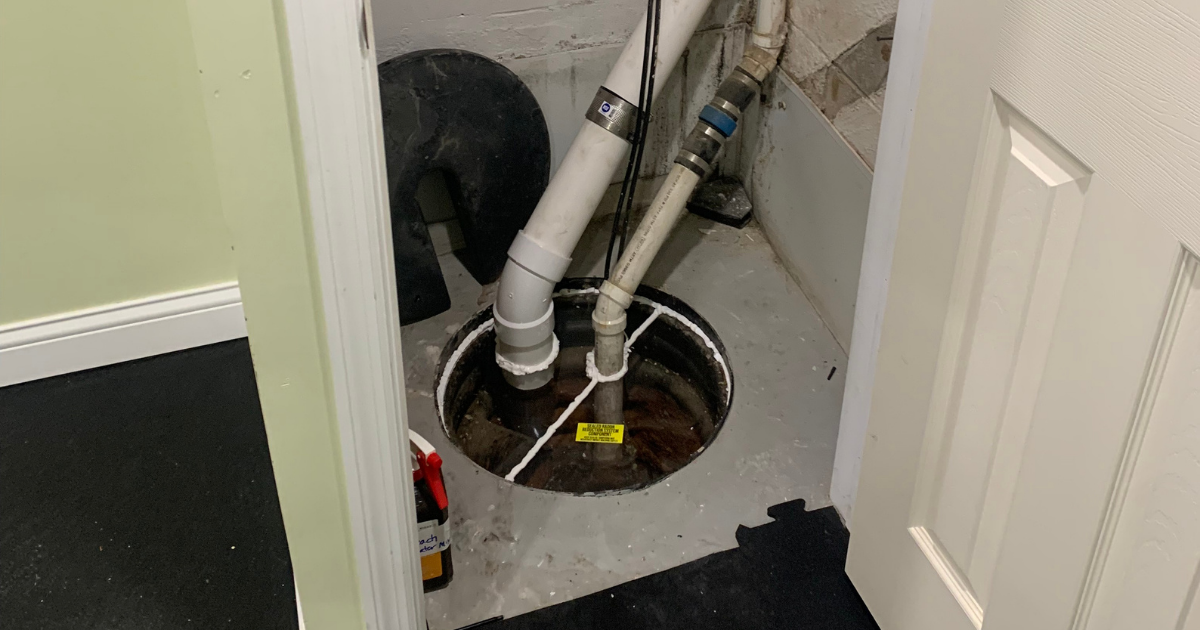
Radon forms when uranium in soil and rock breaks down. The gas rises through the ground and enters your home through cracks in the foundation, sump pits, and other gaps below grade. Once inside, it can build up without warning.
When you breathe in radon, it decays into tiny radioactive particles. These particles settle in your lungs. They release radiation that damages the cells lining your airways.
Damaged cells can become cancerous over time. That slow process explains why radon exposure gives no early warning.
Lung Cancer Is the Main Health Risk
Lung cancer is the health risk that radon exposure drives. The EPA estimates radon causes about 21,000 lung cancer deaths in the United States every year. Radon ranks as the second leading cause of lung cancer after smoking.
Radon is also the leading cause of lung cancer among people who have never smoked. Your lifestyle does not make you immune.
Radon Exposure Gives No Early Symptoms
Radon exposure does not cause immediate symptoms. Your family can breathe it for years without noticing anything. A radon test is the only way to find out what your home contains.
What Raises Your Radon Health Risk
The EPA names three factors that shape your risk: the radon level in your home, the time you spend there, and your smoking history. Each one matters.
How Much Radon Is in Your Home
Higher radon levels mean higher risk. The EPA sets its action level at 4 picocuries per liter (pCi/L). The agency urges homeowners to act at or above that level.
How Much Time You Spend at Home
Your risk grows with every hour you breathe the air. People who spend most of their time at home take in more radon than people who spend long days elsewhere.
Your Smoking History
Smoking raises the danger sharply. At a lifetime exposure of 4 pCi/L, EPA estimates show about 7 in 1,000 people who never smoked could get lung cancer. For people who smoke, the estimate jumps to about 62 in 1,000.
If you smoke, quitting lowers your lung cancer risk. Testing your home and fixing high radon lowers it further.
Radon Health Risks in Columbus and Central Ohio
Zone 1, its highest radon potential category. Franklin County and most of Central Ohio fall inside that zone.
Zone 1 means the predicted average indoor level reaches 4 pCi/L or higher. Local geology explains why. Central Ohio sits on glacial till and limestone bedrock, which lets radon move up through the soil. You can read more in our post on why Columbus has high radon levels and our guide to radon levels in Columbus.
Homes in Columbus, Dublin, Westerville, Hilliard, and Marysville can all test above the action level. Home age does not matter. Two neighbors can get very different readings because foundation design and airflow differ from house to house.
How to Lower Your Radon Exposure Risk
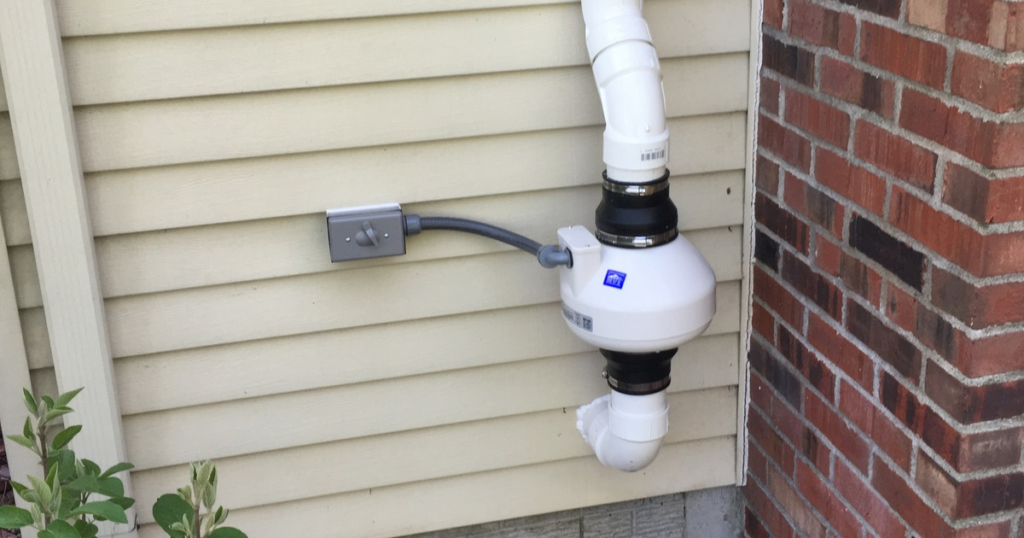
Start with a radon test. A professional radon test usually takes 48 hours to a few days. You then receive a clear report showing your home’s radon level.
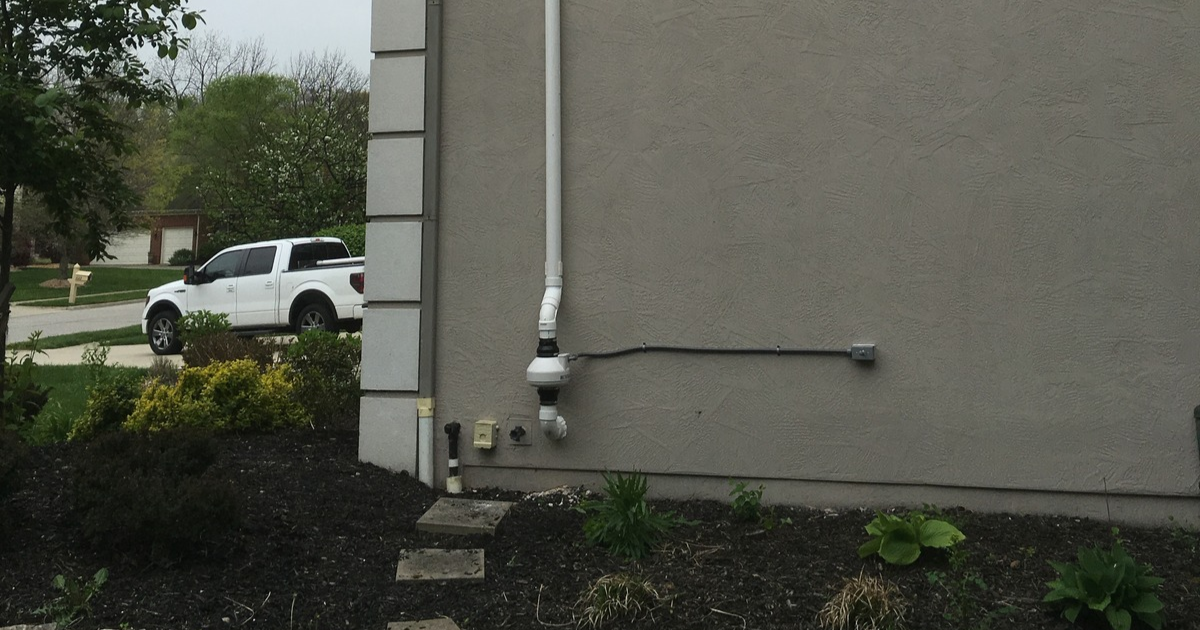
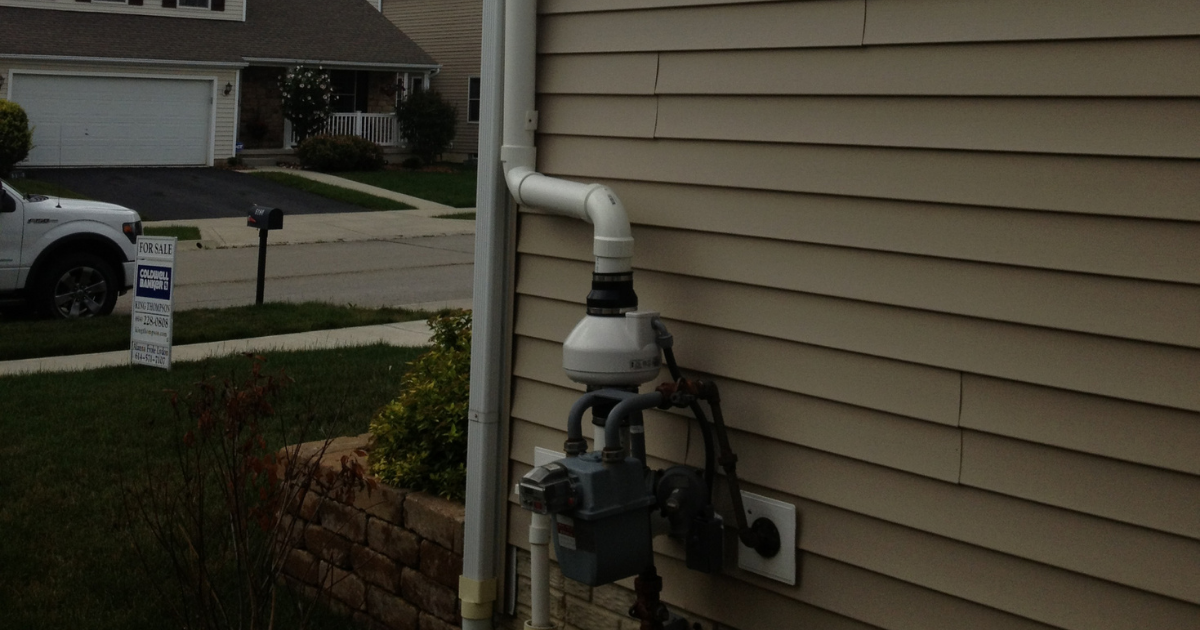
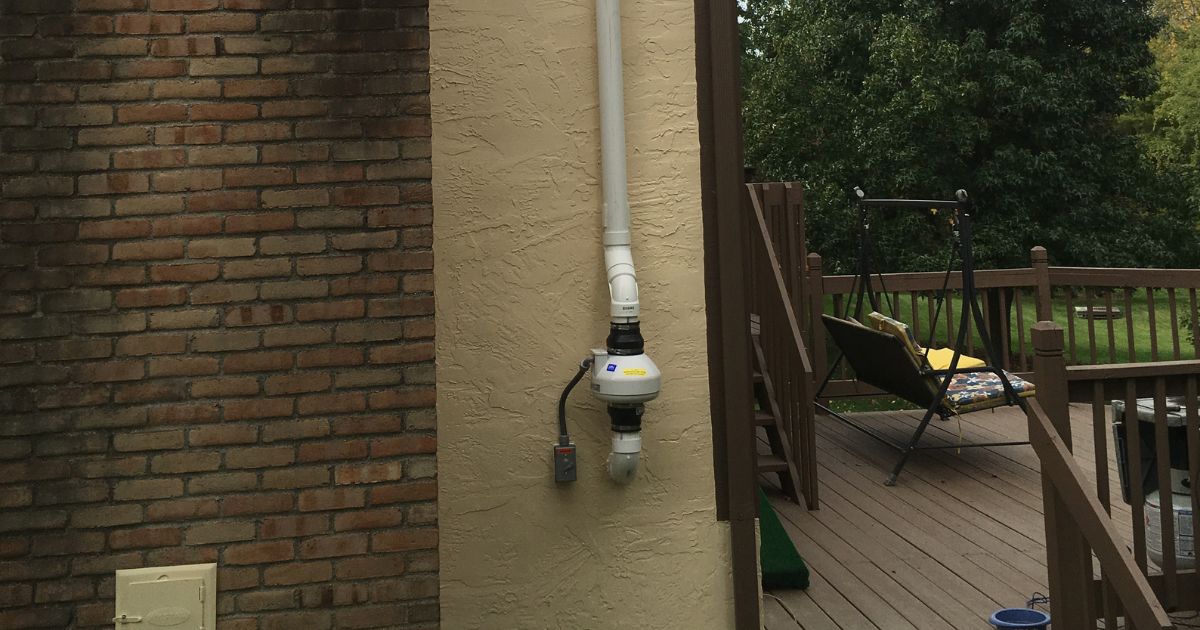
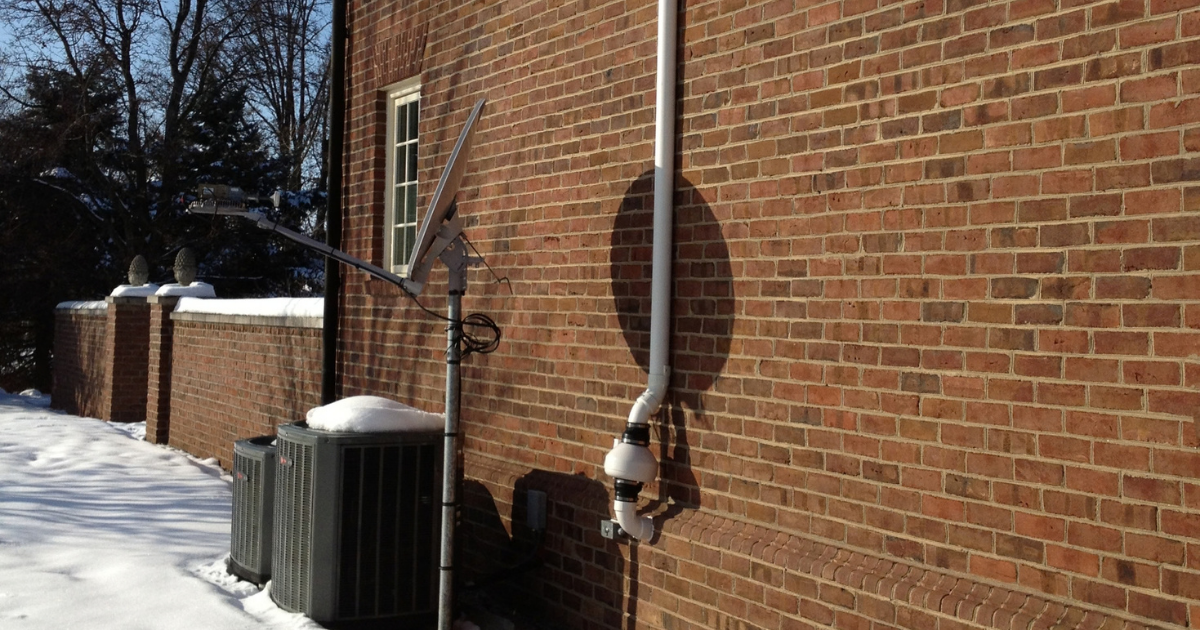
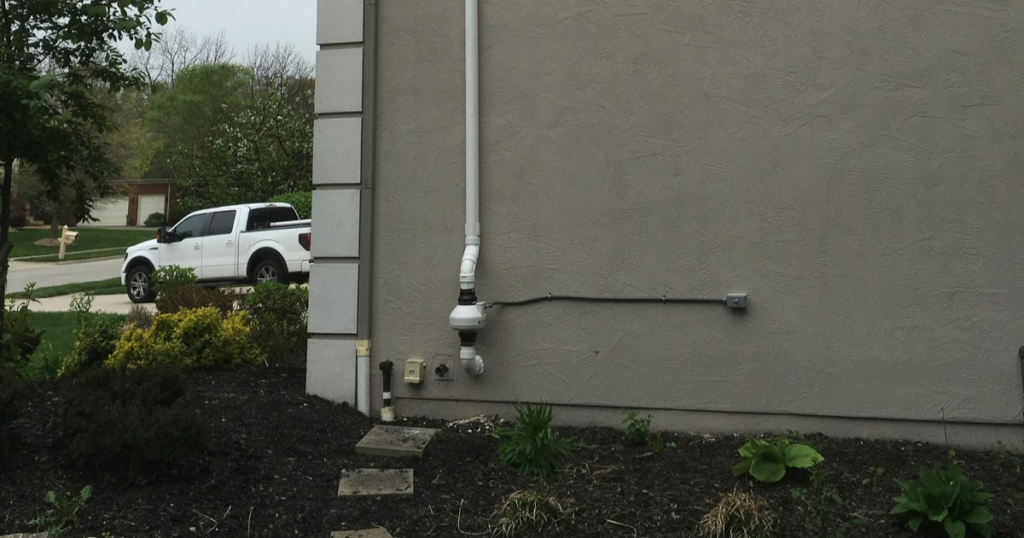
If your result reaches 4 pCi/L or higher, a radon mitigation system can reduce your radon level. Most systems use a vent pipe and fan. They draw radon from beneath the foundation and release it above the roofline, away from windows and living spaces.
Some homeowners act at lower levels, because no radon level carries zero risk. Your radon professional can talk through that choice with you.
Hire a licensed professional. The Ohio Department of Health licenses radon testers and mitigation specialists. Ohio Radon Control holds ODH contractor license RC 105 and specialist license RS 199.
Frequently Asked Questions
Radon exposure does not cause immediate symptoms. Symptoms appear only after lung cancer develops. They can include a persistent cough, chest pain, shortness of breath, or coughing up blood. See your doctor if you notice any of these. Only a radon test tells you what your home contains.
Yes. Radon is the leading cause of lung cancer among people who have never smoked. At 4 pCi/L, EPA estimates show about 7 in 1,000 lifelong nonsmokers could develop lung cancer. Smoking raises that number sharply.
No radon level carries zero risk. The EPA action level of 4 pCi/L marks the point where the agency urges you to act. Some homeowners choose to reduce radon at lower levels. A mitigation specialist can discuss your options after testing.
No. Geology and the way a structure interacts with the soil drive radon levels, not building age. New homes and decades-old homes can both test above the action level. Every home needs a test.
Test it. Radon has no smell, color, or taste, so you cannot judge by sight. A professional test uses calibrated equipment and usually finishes in 48 hours to a few days. Test every two to five years, or sooner after renovations.
Schedule Your Radon Test in Columbus or Central Ohio
Radon gives you no warning, so a test gives you the facts. Ohio Radon Control tests homes in Columbus, Dublin, Westerville, Hilliard, Marysville, and communities across Central Ohio.
Book a radon test to learn your home’s actual level. If your result runs high, we install a radon mitigation system and stand behind our work with a warranty.
Call (614) 560-0297 or request your free quote today.