Radon levels change with the seasons, and Columbus homeowners see clear patterns throughout the year. Winter months consistently produce the highest indoor radon readings across Central Ohio.
This guide explains why radon peaks when it does and what that means for testing your home at the right time.
Radon Levels Peak in Winter Months
Radon gas rises from the soil year-round, but indoor levels climb sharply once cold weather arrives. Homeowners close windows and doors to keep heat inside during winter. This traps radon gas indoors instead of letting it escape through normal air exchange. The result is a buildup that peaks during the coldest stretch of the year.
The Stack Effect Increases Winter Radon
Warm air rises inside a heated home and escapes through the upper floors and roof. This creates negative pressure near the foundation, which pulls air in from the soil below.
Furnaces and heating systems intensify this effect by warming indoor air more aggressively. The colder the outdoor temperature, the stronger the pull on soil gas. This process, known as the stack effect, drives radon indoors at its highest rate during winter.
Closed Windows and Doors Trap Radon Indoors
Natural ventilation plays a major role in keeping radon levels low. Open windows allow fresh air to dilute radon gas before it accumulates. Cold weather leads most homeowners to keep windows and doors closed more often, which reduces this natural airflow. Less ventilation gives radon more opportunity to build up indoors during winter months.
Winter Testing Shows the Highest Readings in Columbus
Radon readings across Central Ohio consistently run higher during the winter heating season than at other times of year. Sustained cold temperatures, minimal ventilation, and constant furnace use combine to push indoor levels toward their yearly peak.
Homes with basements see the sharpest seasonal swings, since radon-rich soil gas sits closest to that level of the house. A home tested in July may show a very different result than the same home tested in January.
Summer Months Bring Naturally Lower Radon Levels
Radon readings typically drop during summer as homeowners open windows and run less heating equipment. Increased natural airflow dilutes radon gas before it can accumulate indoors.
This does not mean radon disappears in summer. It means indoor levels often fall below what the same home would show in winter. A summer test can still detect a radon problem, but the result may understate the home’s peak exposure.
Why Timing Matters for Testing in Central Ohio
The EPA recommends testing during the colder months for the most accurate picture of a home’s radon exposure. Central Ohio’s placement in Zone 1 means winter testing carries extra importance here. A test taken in January reflects conditions closer to a home’s actual worst-case radon exposure.
Homebuyers and sellers benefit from scheduling tests during this window whenever possible. Homeowners who already tested in summer and got a low result should consider a follow-up test in winter for full confidence in the number.
Renovation projects add another layer of timing to consider. New windows, added insulation, or basement finishing work can change airflow patterns regardless of season. A radon test after this kind of project gives an accurate reading under the home’s new conditions. Homeowners in neighborhoods already known for elevated radon levels across Columbus should treat winter testing as a priority rather than an afterthought.
Frequently Asked Questions
No. Radon continues rising from the soil throughout the year. Summer ventilation simply dilutes indoor concentrations, which lowers the reading without removing the source.
Winter testing gives the most accurate picture of peak radon exposure. A summer test can still detect a problem, but the result may understate the home's true worst case level.
Yes, radon tests work in any season. The reading itself will simply reflect different conditions depending on ventilation and heating use at the time of the test.
The stack effect occurs in nearly every heated home to some degree. Homes with basements and forced air furnaces typically experience a stronger version of this effect.
Short-term tests measure radon over two to seven days. Long-term tests run for more than ninety days and give a fuller picture of seasonal changes.
Schedule Your Radon Test Today
Winter brings the highest radon risk to homes across Columbus and Central Ohio. Ohio Radon Control offers accurate testing year-round, with results that reflect real conditions in your home.
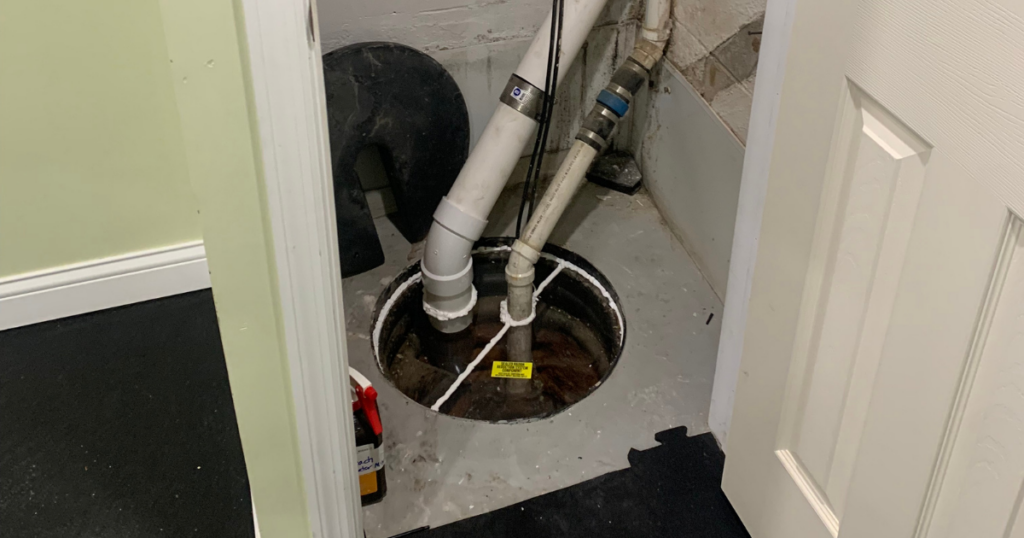
If your results come back elevated, our mitigation systems bring levels down and keep them there. Contact our team today to schedule a test or request a mitigation quote for your property.