Radon levels in Ohio rank among the highest in the country. Homeowners across Central Ohio often ask why radon is high in Ohio, and the answer starts underground. Ohio’s bedrock, soil, and glacial history combine to push radon gas into homes at rates far above the national average.
This guide breaks down the geological and environmental reasons behind Ohio’s radon problem, with a focus on Columbus and Central Ohio.
Ohio's Geology Creates Ideal Conditions for Radon
Radon forms when uranium in soil and rock breaks down over time. Ohio sits on bedrock layers rich in uranium and radium, especially shale and limestone formations. These rock types release radon gas continuously as they decay.
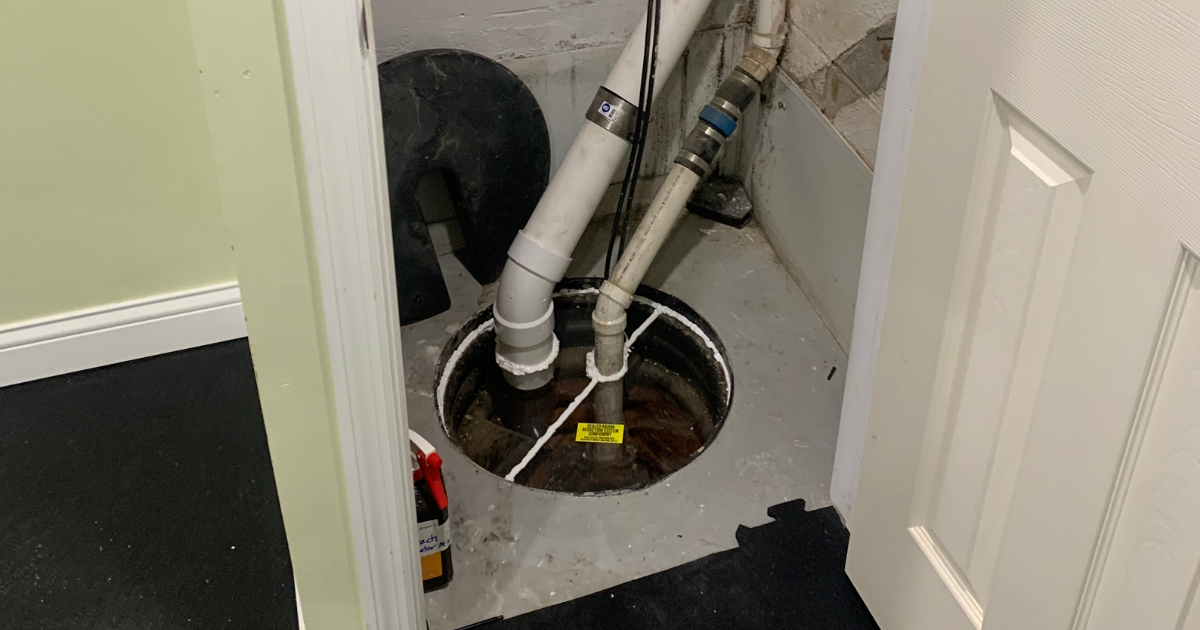
The gas then moves upward through cracks and pore spaces in the soil. Once it reaches the surface, radon seeps into homes through foundation cracks, sump pits, and gaps around pipes.
Glacial Till Spreads Radon-Rich Minerals Across Central Ohio
Glaciers covered most of Ohio thousands of years ago and left behind a soil layer called glacial till. This till contains crushed rock and mineral deposits ground down from deeper bedrock.
Central Ohio homes often sit directly on this till, which holds uranium-bearing minerals close to the surface. The shallow depth of these deposits lets radon gas travel short distances before it enters a home.
The EPA Places Ohio in Zone 1 for Radon Risk
The EPA divides the country into three radon zones based on predicted average indoor radon levels. Zone 1 counties carry the highest risk, with predicted averages above 4 picocuries per liter. Franklin County and most of Central Ohio fall into Zone 1, along with several other Ohio counties that record consistently high radon readings.
The Ohio Department of Health tracks this testing data across all 88 counties and confirms the elevated pattern. Homeowners in Zone 1 counties face a higher chance of dangerous radon buildup, regardless of a home’s age or style.
Columbus Homes Face Specific Radon Risk Factors
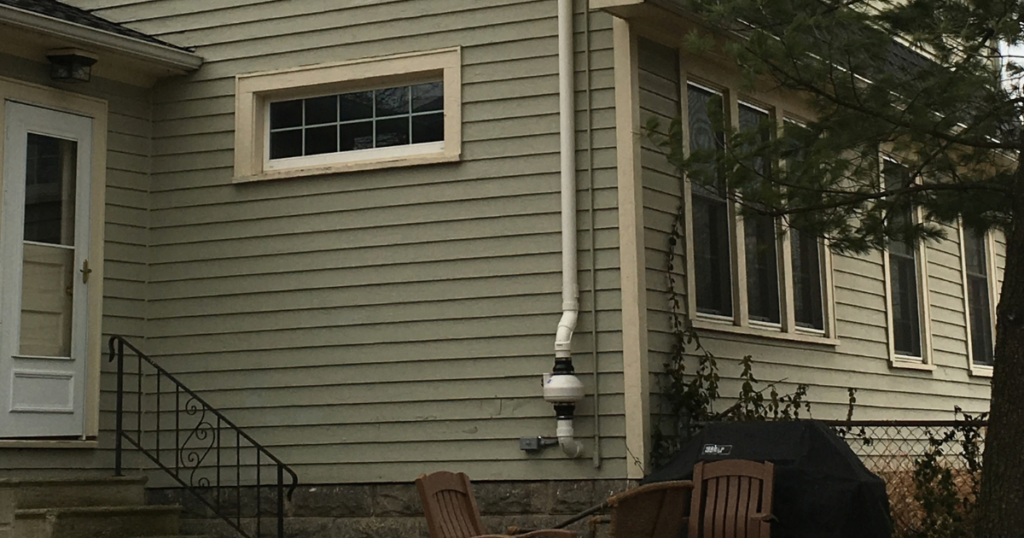
Columbus and its surrounding suburbs sit on soil and bedrock that push radon risk even higher in some pockets. Local geology combines with common construction methods to create clear pathways for radon entry.
This risk extends into nearby communities like Dublin, Hilliard, Westerville, and Upper Arlington, which share the same glacial till and bedrock conditions. Homeowners can compare their neighborhood against citywide radon levels recorded across Columbus to see how their area stacks up.
Soil Composition Varies Across Franklin County
The soil around Columbus mixes clay and glacial till with pockets of higher uranium content. This composition can shift block by block. That variation explains why radon levels often differ significantly between neighboring homes. A property tested and cleared next door does not guarantee the same result for another home.
Basements and Tight Construction Trap Radon Indoors
Basements and crawl spaces create direct contact between a home’s structure and radon-rich soil. Many Columbus homes built in recent decades include full basements, which increase the surface area where radon can enter.
Tighter, more energy-efficient construction also traps radon indoors instead of letting it disperse naturally. A sealed crawl space changes airflow patterns and can shift radon levels further.
Seasonal Changes Affect Radon Levels in Ohio Homes
Radon levels shift with the seasons across Ohio. Cold winter months often produce higher indoor readings because homeowners keep windows and doors closed. This traps more soil gas indoors.
The stack effect makes this worse: warm indoor air rises and escapes through upper floors, pulling soil gas in through the foundation. This effect grows stronger during winter months. Homeowners get the most accurate picture of peak exposure by testing during colder weather.
Frequently Asked Questions
Ohio sits on uranium-rich bedrock and glacial till left behind thousands of years ago. These conditions release radon gas at higher rates than in many other states.
The EPA sets 4 picocuries per liter as the action level for mitigation. Levels below this number still carry some risk, so many experts recommend fixing homes above 2 picocuries per liter as well.
No single home is guaranteed to have high radon just because it sits in Ohio. Levels vary by soil composition, foundation type, and even block by block within the same neighborhood.
Yes. New construction does not prevent radon entry, since the gas rises from the soil beneath the foundation. Tighter, energy-efficient building methods can actually trap radon indoors more effectively than older homes.
The Ohio Department of Health recommends testing every two years. Homeowners should also test after any renovation that affects windows, insulation, or the foundation.
Schedule Your Radon Test Today
Ohio’s geology makes radon a real concern for every homeowner in Central Ohio, regardless of a home’s age, size, or location. Buyers, sellers, and renovation-stage homeowners all benefit from knowing their actual indoor levels before making decisions.
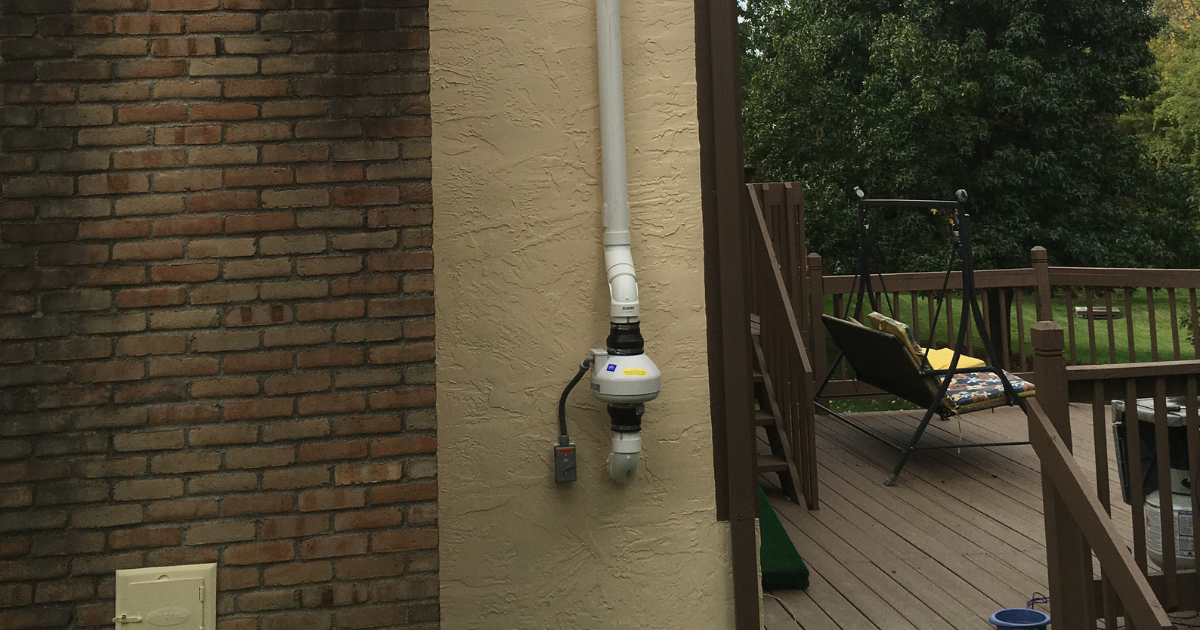
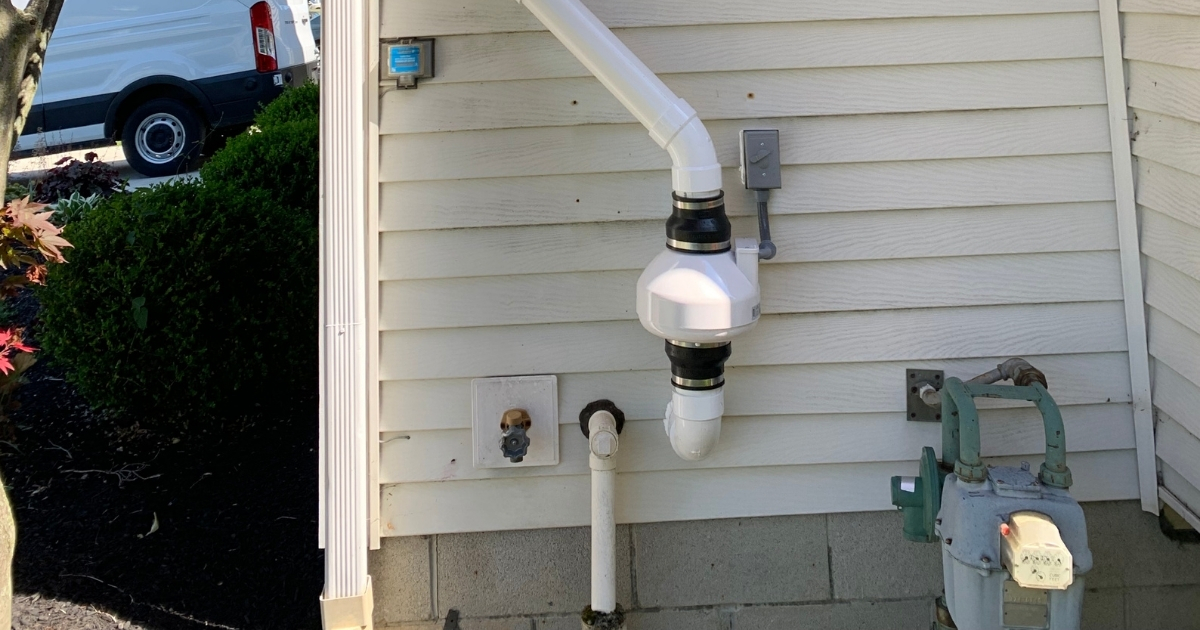
Ohio Radon Control offers accurate radon testing and proven mitigation systems for homes across the Columbus area. Contact our team today to schedule a test or request a mitigation quote for your property.